When Silicon and Soil Collide
Agentic AI, IoT, local automation and rather more telemetry than a tomato plant strictly requires.
What happens when Site Reliability Engineering escapes the datacentre and gets into the garden?
Morty Labs Homestead is my attempt to find out. Solar-powered IoT sensors continuously monitor soil moisture, air and soil temperature, humidity, UV and infrared light levels, water temperature, pH and atmospheric pressure.
The telemetry is collected and processed locally using Python, MQTT and custom-built hardware, then turned into dashboards, alerts and automation.
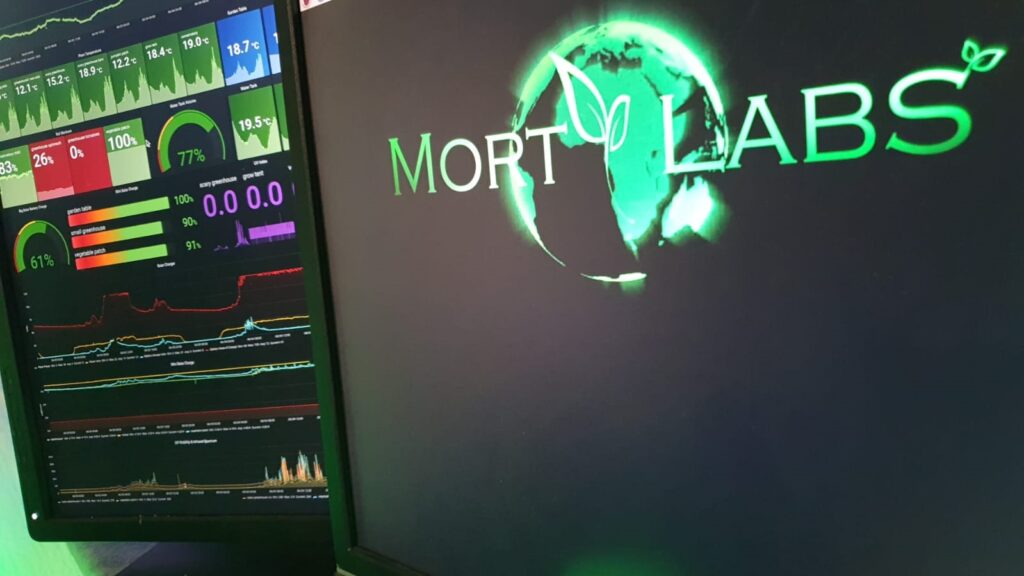
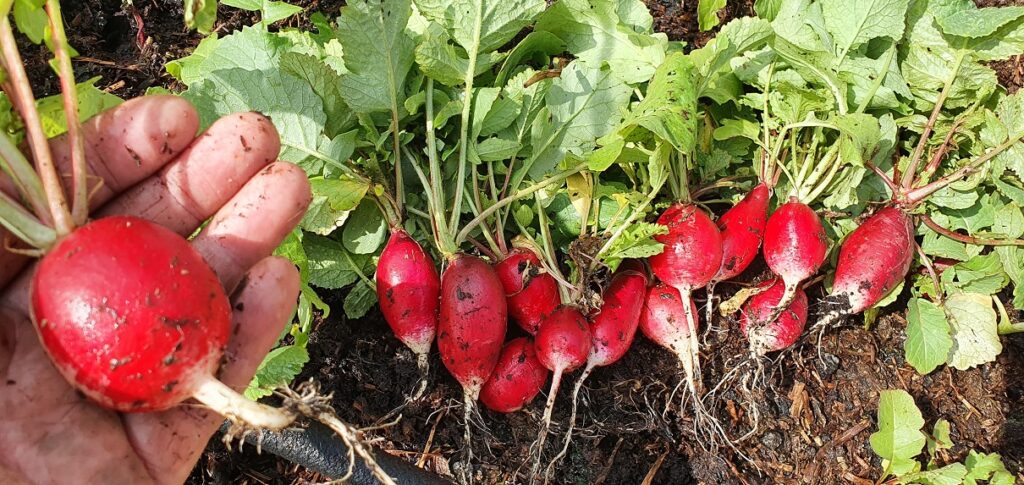
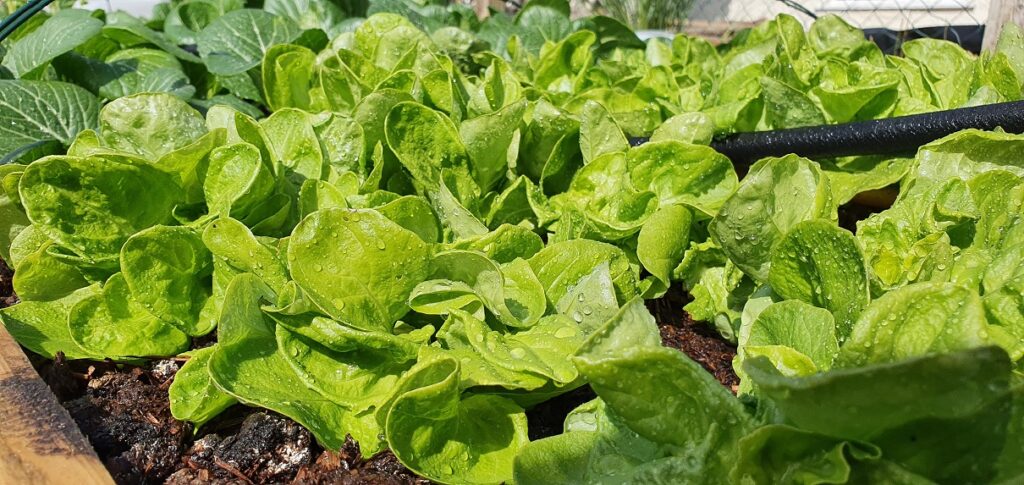
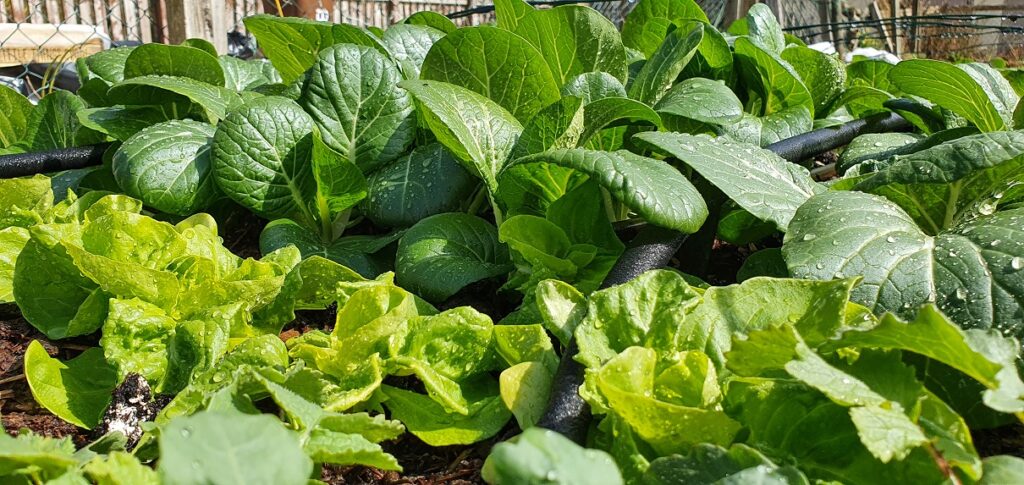
Irrigation responds to real-world conditions rather than simply running on a timer. Soil moisture and other sensor data determine whether watering is actually required, reducing both guesswork and waste.
No subscriptions. No cloud dependency. No constant internet connection.
At its core is a low-power off-grid compute node and sensor network that keeps running even when the outside world disappears. That makes the same approach useful for back gardens, allotments, greenhouses and genuinely off-grid installations.
The engineering principles are much the same as any other distributed system: observe what matters, detect failure early, automate repetitive work and design for graceful recovery. With one caveat: corporate datacentres would probably call security if you turned up with a DIY soldering iron and a home-printed circuit board!
Increasingly, the interesting experiment is what happens when Agentic AI is added to that loop: allowing software to reason across telemetry, recognise unusual conditions and decide when to take a safe, bounded corrective action.
In other words: SRE for tomatoes.
Code and experiments are available on ⌥ GitHub